Specialized Addiction Treatment for Veterans and First Responders in Tarzana

Eighteen years on Ventura Boulevard providing addiction treatment built around the specific occupational realities of veterans, law enforcement, fire, and EMS — alongside a full continuum of care for adults across the San Fernando Valley. 69-bed residential, dedicated medical detox, and outpatient programs designed to work with your schedule.

Welcome to NDMH Rehab

NDMH Rehab opened in 2008 on Ventura Boulevard to address a specific gap in the San Fernando Valley's addiction treatment landscape: there was no facility specifically equipped to handle the occupational trauma carried by the area's veterans, LAPD officers, sheriff's deputies, fire-department personnel, and emergency medical workers. The clinical patterns these populations brought to treatment — combat exposure, scene trauma, the cumulative weight of years on the badge — did not respond well to general addiction programming that treated everyone identically.

Eighteen years and 9,900 patients later, NDMH operates a 69-bed residential facility, a dedicated medical detox wing, and a full outpatient continuum. The veterans and first-responder track is still the program's anchor, but the 137-person clinical team also delivers the full continuum of addiction care to adults across the Valley, the West Side, and the Conejo Valley. What carries across both arms of the work is the same orientation: the trauma history shapes the substance use, and the treatment plan has to address both.

Learn More About Us
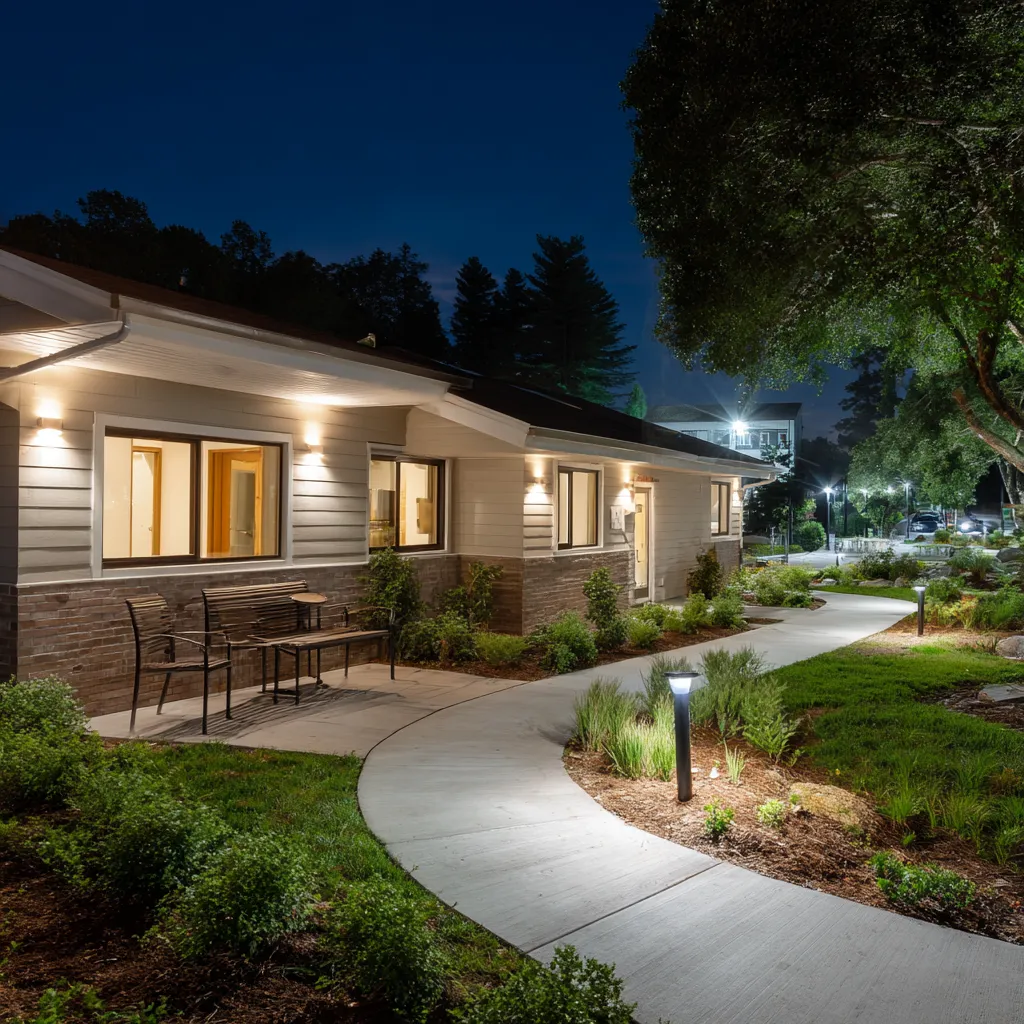
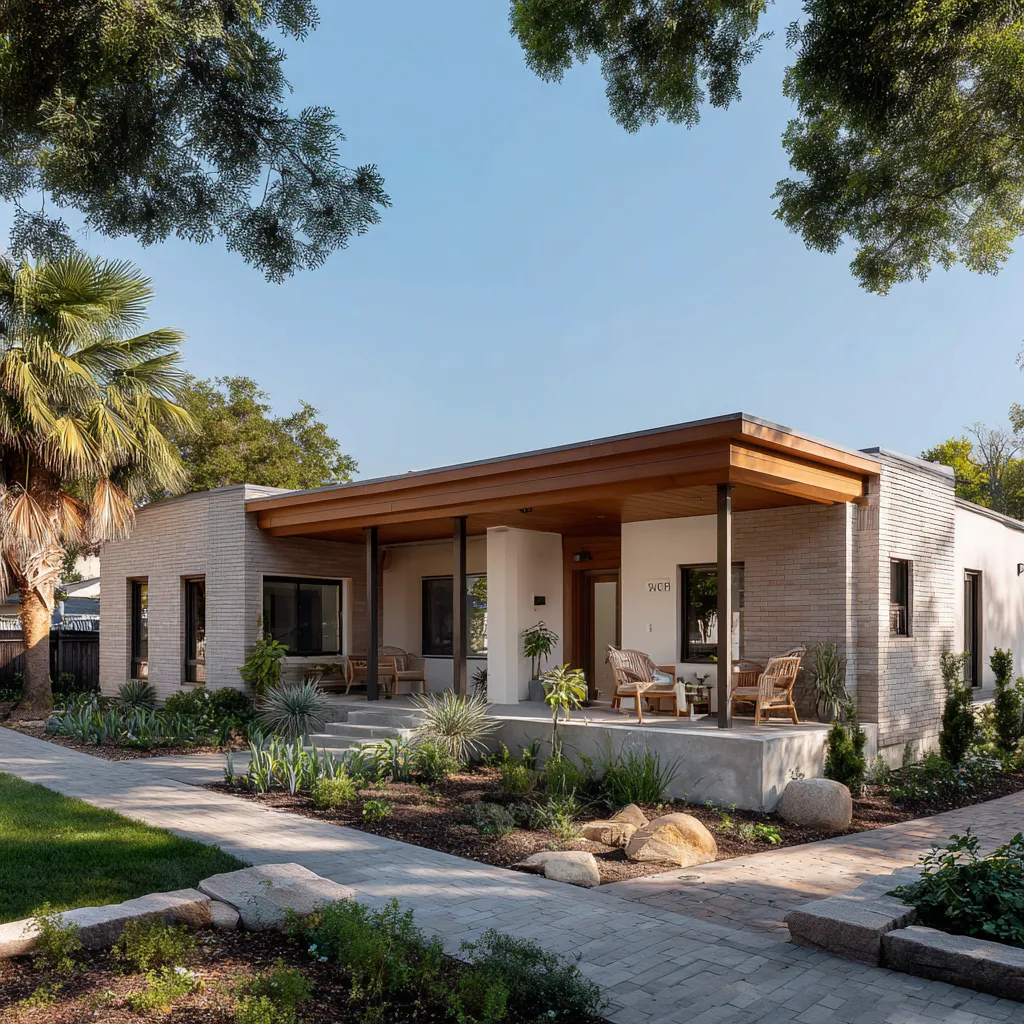
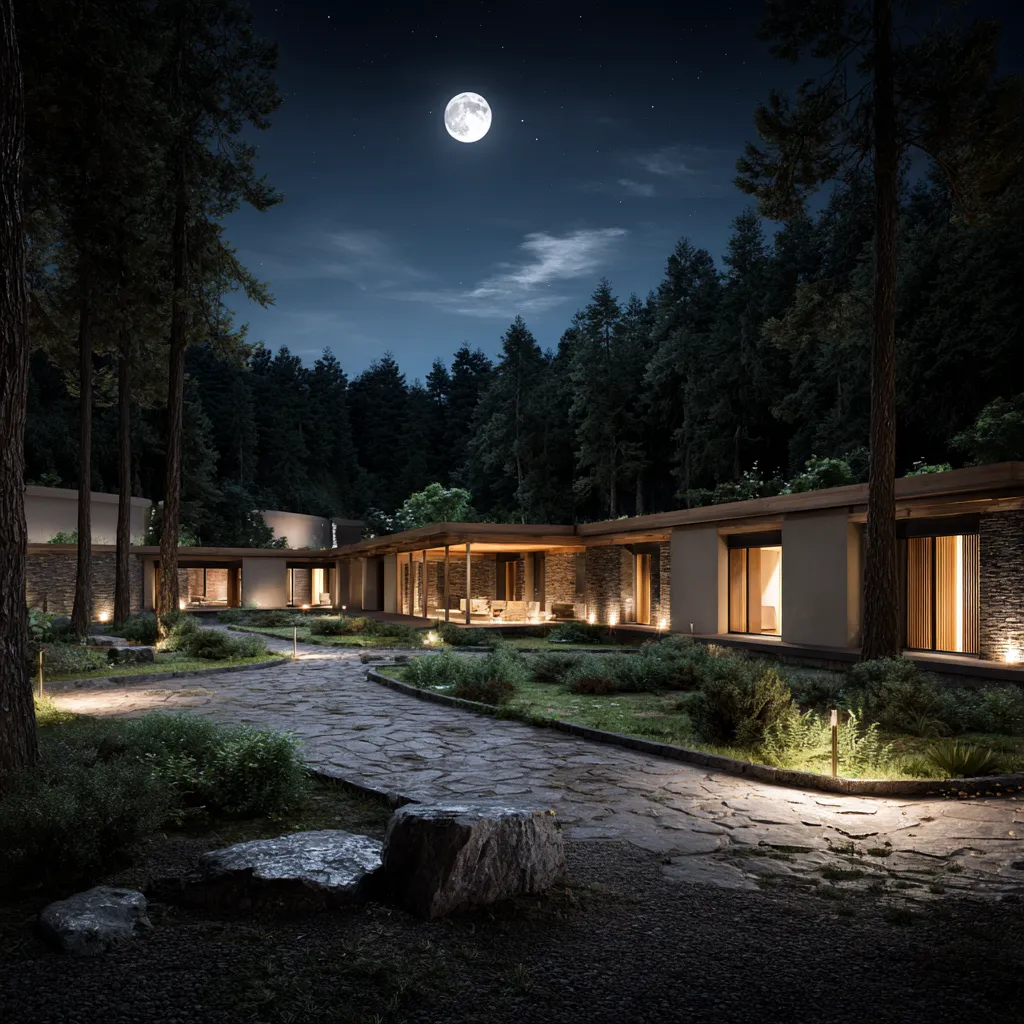
Inside our treatment facility

Why Choose NDMH Rehab

A Dedicated Veterans and First-Responder Track

Eighteen years of clinical focus on combat veterans, LAPD and sheriff's department personnel, LAFD and county fire crews, and Valley-area EMS workers. Peer cohorts are organized by occupational background for the first two weeks, with separate group therapy tracks for the issues that do not translate across professions. Our staff includes two clinicians who themselves served before becoming therapists.

Trauma-Informed Care Built Into Every Plan

Every clinician, nurse, and support-staff member completes trauma-informed-care training before patient contact and annual refresher training. The orientation shapes how rooms are arranged, how groups are facilitated, and how staff respond to dysregulation in the middle of the night. For a population that has spent years in environments where vulnerability had real costs, this matters.

Strengths-Based Recovery

Our clinical model starts from what the patient brings to recovery — discipline, mission focus, capacity under pressure, peer-support instincts that years of service have built — and uses those strengths as scaffolding for the work. The deficit-focused framing common in some segments of addiction treatment does not produce good engagement in our population, and we have built around that.

Harm-Reduction Continuum, Not Abstinence-Only

Abstinence remains a clinical goal for many patients. For some — particularly those with long opioid histories or with high overdose risk — the evidence supports a harm-reduction-aware approach: medication-assisted treatment, overdose prevention training, and a clinical relationship that does not collapse if a patient slips. We meet patients where the evidence says outcomes are best.

In-Network with Ten Major Plans

Aetna, Blue Cross Blue Shield, Medicaid, Medicare, First Health Network, Kaiser Permanente, MultiPlan, Beacon Health Options, Molina Healthcare, and Anthem. Tricare coverage runs through our community-care relationship with the VA Greater Los Angeles system. Insurance verification typically completes within an hour of admissions intake.

137 Clinicians, One Treatment Plan Per Patient

Medical, psychiatric, therapy, and case-management staff document in a single chart and meet three times weekly per resident. Information does not fall through the cracks between shifts, and the patient is not asked to repeat their story every time the rounding clinician changes.


Our Treatment Programs

Medical detox

Medical Detox

3 to 7 days of medically supervised withdrawal in a dedicated detox wing — physician oversight, 24-hour nursing, and titrated comfort protocols for alcohol, opioid, benzodiazepine, and barbiturate withdrawal. Veterans and first-responder patients are housed in the wing's quiet zone.

Learn More
Residential treatment

Residential Treatment

30 to 90 days in our 69-bed Tarzana facility, with peer cohorts grouped by occupational background. Clinical schedule grounded in CBT, DBT, art therapy, and equine-assisted therapy, with trauma-focused work threaded across every modality.

Learn More
Outpatient program

Outpatient Program

PHP, IOP, and standard outpatient tracks designed around the working professional, the active-duty officer, and the alumni patient stepping down from residential. Evening IOP runs Monday through Thursday at 6 PM for patients continuing in shift work.

Learn More
Dual diagnosis

Dual Diagnosis

Integrated psychiatric and addiction care for the conditions most common in our patient population: PTSD, complex trauma, depression, and anxiety disorders. Board-certified psychiatry reviews every dual-diagnosis admission within 48 hours.

Learn More

Stories of Recovery

"I am twenty-six. Three years on the LAPD, working West Bureau patrol out of West Los Angeles Division. The drinking started in the academy and got worse with each year on the job. By the third year I was drinking before night-watch shifts, which is when I told myself I had a problem I could not handle alone. The intake at NDMH was the first time I had said any of it out loud to someone who was not also on the job. They put me in a peer cohort with three other officers and an LAFD paramedic for the first two weeks. Eighteen months sober now. Still on the force. Department peer-support program knows where I work on Wednesday evenings, and that is the meeting where I introduce myself by saying I caught it early."

- Officer N.M., residential alumnus, 2024

"Thirteen years at an entertainment law firm in Century City, partner track since year five. The cocaine started at industry events and the alcohol started everywhere else, and by the end I was managing a billable practice on three hours of sleep a night and a chemistry experiment I did not understand. My executive coach was the person who finally said something I could not deflect. The NDMH intake walked me through how the leave conversation with my firm would work before I even committed to coming in. I completed sixty days residential, then their evening IOP. I kept the partnership track. The version of me that was running on chemistry does not exist anymore."

- Alexis B., residential alumna, 2023

"Twenty-two years on the LAFD, ten of those running engine companies out of busy stations across the Valley. The job had given me things to remember that I could not stop remembering, and the off-duty drinking that started as a release became something else by year fifteen. I had been to two programs that did not understand what 'shift work' and 'station family' meant, and I left both early. NDMH was different from the assessment forward — they had a first-responder track with two other firefighters in my cohort, and the clinical team had treated occupational PTSD before. I am four years sober now and run a peer-support meeting at the union hall on Tuesday nights."

- Captain D.R., residential alumnus, 2022

Insurance We Accept

We work with most major insurance providers. Verify your benefits today.

  • Aetna
  • Blue Cross Blue Shield
  • Medicaid
  • Medicare
  • Kaiser Permanente
  • Anthem
  • First Health Network
  • MultiPlan
  • Beacon Health Options
  • Molina Healthcare
Verify Insurance

Ready to Take the First Step?

Our admissions team is available 24/7 to answer your questions.