

Treatment Programs at NDMH Rehab
A full continuum of evidence-based addiction care, with a specialized clinical track for veterans, law enforcement, fire-service, and EMS personnel.
Medical Detox
Medical detox at NDMH is a 3 to 7 day medically supervised withdrawal period in a dedicated wing separate from the residential floor. Physician oversight is continuous, registered nurses staff the wing twenty-four hours a day, and comfort-medication protocols are titrated to the substance and the patient's medical history. The wing maintains a designated quiet zone where veteran and first-responder patients are housed during the first 72 hours — a clinical detail that does not appear in the brochure but that our alumni consistently identify as part of what made detox tolerable.
The substances we most commonly detox in the San Fernando Valley population are alcohol, opioids (with a substantial fentanyl component), benzodiazepines, and barbiturates. Each carries a distinct medical risk profile during withdrawal — alcohol and benzodiazepine withdrawal can be life-threatening without supervision, opioid withdrawal is rarely medically dangerous but severe enough that under-treated patients leave before completing the work. Our protocols are built around those realities.
Patients are evaluated by a physician on admission, every morning of detox, and on transition to residential. Vitals are checked every two hours during the acute window. The goal is a complete and comfortable withdrawal that delivers the patient into residential ready to do clinical work.
Residential Treatment
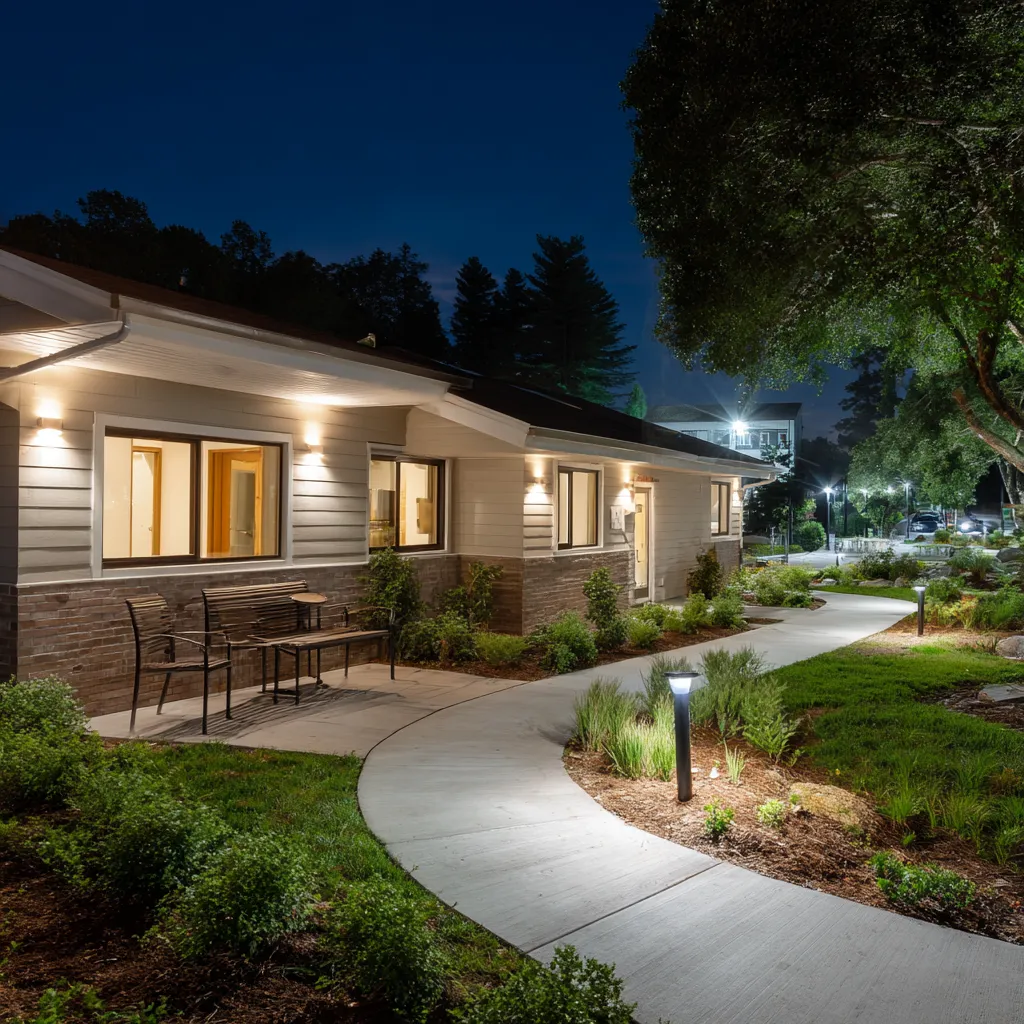
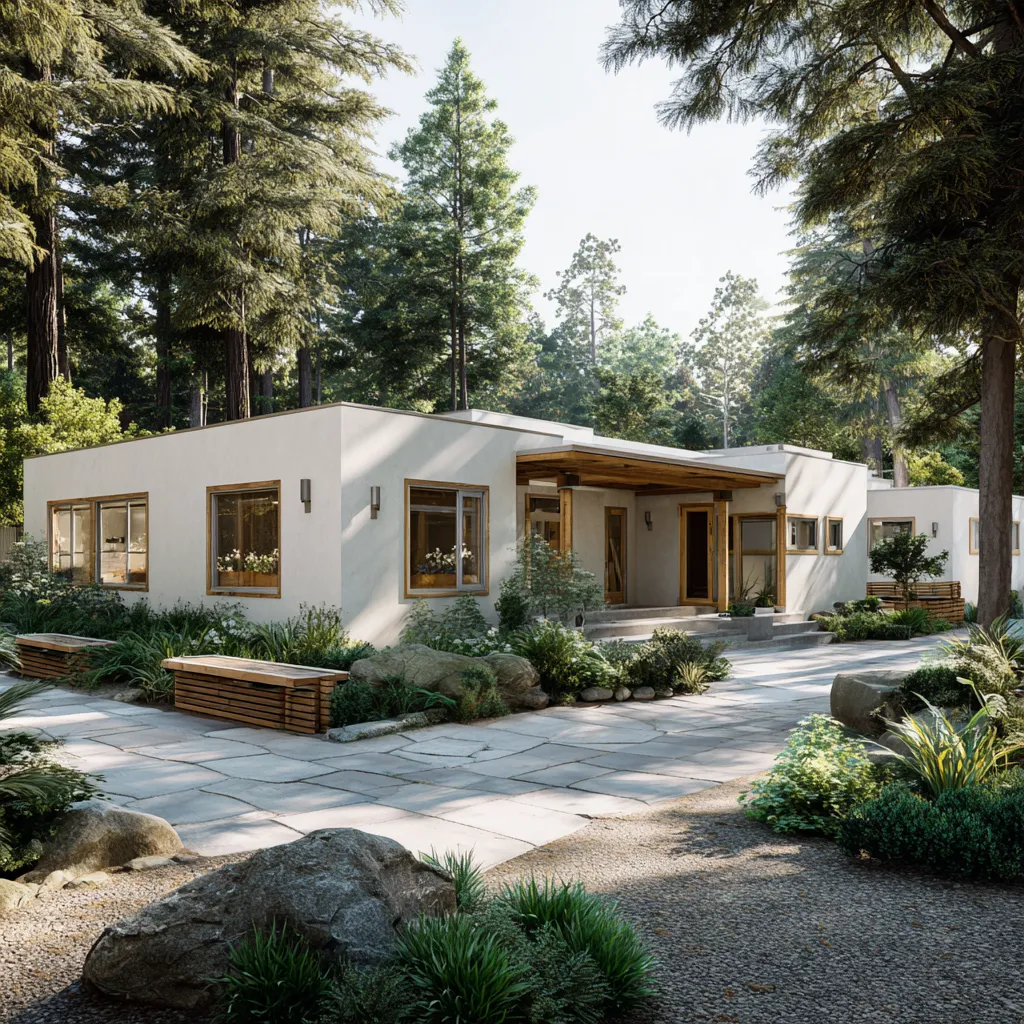
Residential treatment at NDMH runs 30 to 90 days in our 69-bed Tarzana facility. The standard arc is 30 days for patients in early recovery with strong external supports, 60 to 90 days for patients with longer substance-use histories, dual diagnoses, or unstable post-discharge environments. Length of stay is reviewed weekly and adjusted with the patient and family.
The clinical structure has two arms running in parallel. The first is the general residential program — CBT, DBT, art therapy, family-systems work, equine-assisted therapy, and weekly individual therapy with a primary therapist, delivered through the trauma-informed clinical model that defines NDMH. The second is the specialized first-responder and veterans track, which runs as a dedicated peer cohort for the first two weeks of admission with separate group therapy sessions and clinical leadership from staff who have treated combat PTSD and occupational trauma at length. The two arms converge in weeks three onward, when the cohort integrates into the broader residential population — by which point the trauma-specific work that does not translate across professions has been done in the appropriate clinical space.
Treatment plans are reviewed and adjusted weekly in interdisciplinary case conference. The plan is a working document, and the patient is part of every revision.
Outpatient Program
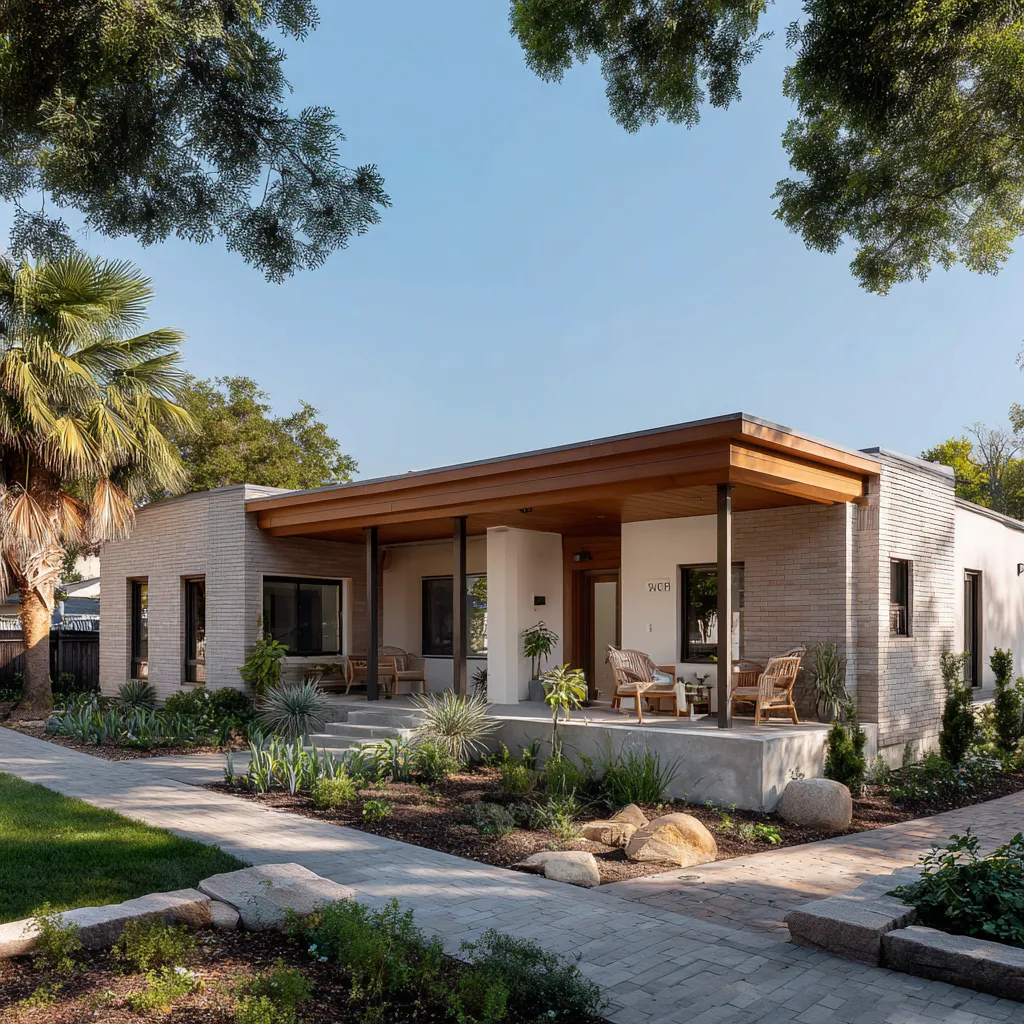
NDMH's outpatient continuum runs three tiers: Partial Hospitalization (PHP), Intensive Outpatient (IOP), and standard outpatient. Each tier is structured for a specific point in the recovery arc, and most patients move through more than one on the way to long-term aftercare.
PHP runs five days a week, six hours a day, for two to four weeks. It is appropriate for patients stepping down from residential who still need clinically intensive structure, and for patients entering treatment whose substance-use severity does not warrant residential but whose dual-diagnosis picture requires more than IOP can provide.
IOP runs three days a week, three hours a day, for eight to twelve weeks. Morning, afternoon, and evening tracks accommodate working professionals across the San Fernando Valley — including the active-duty officer, firefighter, and EMS schedules that require non-standard hours. The evening IOP at 6 PM Monday through Thursday was built specifically for shift-work continuation, and the alumni feedback on this track has been consistent: it is the difference between completing the outpatient continuum and dropping out at week three.
Standard outpatient is weekly to bi-weekly individual therapy and case management, available as long as the clinical contact supports recovery. Our longest-running outpatient relationships date to the 2008 founding cohort.
Dual Diagnosis
The patient population NDMH serves carries co-occurring psychiatric conditions at substantially higher rates than the general addiction-treatment cohort. PTSD, complex trauma, depression, generalized anxiety disorder, and panic disorder are the diagnoses we see most often alongside substance use, and the treatment plan must address both — in integrated rather than parallel fashion — or recovery does not durably hold.
Every dual-diagnosis admission is reviewed by our Director of Psychiatry, Dr. Imran Bashir-Walden, within 48 hours. The psychiatric plan — medication initiation, adjustment, or tapering — is developed in conversation with the addiction-medicine plan and the trauma-focused therapy plan, not as a separate clinical channel. Patients meet with a staff psychiatrist weekly during residential and biweekly during PHP and IOP, with more frequent contact during medication transitions.
For our veterans and first-responder cohort, the dual-diagnosis picture frequently includes occupational PTSD that has been undertreated for years. The integrated psychiatric and trauma-focused work is the piece most often identified by alumni as what produced sustained recovery — the addiction work was the entry point, but addressing the underlying condition was what made the addiction work durable.
Daily Schedule
The residential day is structured around a learning-focused curriculum — psychoeducation, addiction-science workshops, workbook-driven group exercises. The 7:00 AM start time is clinical, not arbitrary: circadian-rhythm resetting and morning structure are part of the protocol.
- 7:00 AM — Wake, hydration, morning check-in
- 7:30 AM — Breakfast and reading time
- 8:30 AM — Psychoeducation lecture (rotating curriculum: neuroscience of addiction, stages of change, trauma and substance use, relapse prevention theory)
- 10:00 AM — Process group: CBT-focused, workbook-based (first-responder cohort runs a separate group during weeks 1-2)
- 11:30 AM — Individual therapy, psychiatric appointment, or DBT skills training (rotating)
- 12:30 PM — Lunch and reflection time
- 2:00 PM — Addiction science workshop: case-study analysis or applied skills practice
- 3:30 PM — Specialty modality block: art therapy, equine-assisted therapy, or animal-assisted therapy (rotating)
- 5:00 PM — Yoga, meditation, or nature-path walking
- 6:00 PM — Dinner (chef-prepared, scheduled around dietary needs)
- 7:00 PM — Evening recovery meeting (alumni-led, alternating 12-step and SMART)
- 8:30 PM — Workbook study or music/recreation room time
- 10:00 PM — Lights out
Treatment Modalities
- Cognitive Behavioral Therapy (CBT)
- Dialectical Behavior Therapy (DBT)
- Individual Counseling
- Group Therapy
- Art Therapy
- Family Systems Therapy
- Equine-Assisted Therapy
Substances We Treat
- Alcohol
- Opioids
- Benzodiazepines
- Barbiturates
- Methamphetamine
- Hallucinogens
- Inhalants
- Synthetic Cannabinoids (K2/Spice)
Amenities
- Chef-Prepared Meals
- Yoga Studio
- Meditation Garden
- Meditation Room
- Music Room
- Recreation Room
- Animal-Assisted Therapy Area
- Nature Paths
- Family Picnic Grounds
Find the Right Program for You
Our clinical team will help determine the best level of care for your needs.